Introduction
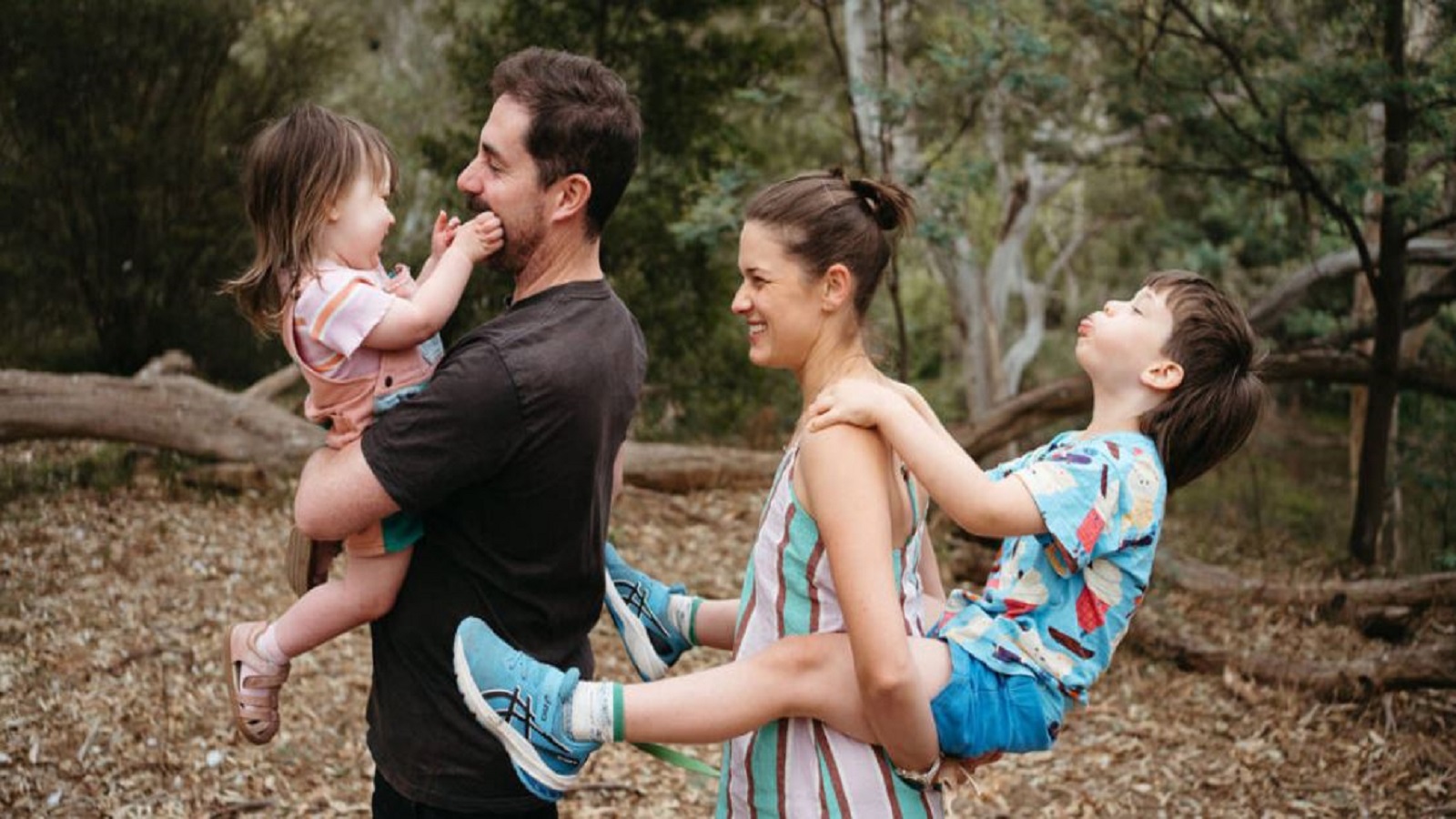
Children are learning all the time, even when no one is deliberately teaching them. Long before formal education begins, children absorb lessons from the world around them quietly, naturally, and continuously. These lessons do not come from textbooks or structured classes, but from everyday interactions that often go unnoticed by adults.
The way a parent responds to a question, the tone used during daily conversations, the patience shown during mistakes, and the attention given during play all shape how a child thinks and understands life. These subtle experiences are the silent lessons that build the foundation of a child’s mind.
This article explores how small, ordinary interactions influence brain development, emotional intelligence, communication skills, and long-term learning. It highlights how parents and caregivers can intentionally support growth through simple, consistent actions without pressure or perfection.
1. What Are Silent Lessons in Childhood?
Silent lessons are the unspoken messages children receive through daily experiences. They are not taught directly, but learned through observation, repetition, and emotional connection.
Children learn silently when they observe:
- How adults handle stress
- How emotions are expressed
- How mistakes are treated
- How communication happens
- How problems are solved
These lessons shape beliefs, habits, and attitudes that last well into adulthood.
For example, a child who sees patience practiced learns calm problem-solving. A child who experiences empathy learns compassion. These lessons are powerful because they are learned naturally, without instruction.
2. The Brain Learns Through Experience
The human brain develops in response to experience. In childhood, neural connections strengthen when they are used frequently and meaningfully.
Key points about experiential learning include:
- Repetition reinforces brain pathways
- Emotionally charged experiences are remembered longer
- Learning happens best in safe environments
Small interactions—such as listening attentively or responding kindly—activate areas of the brain related to memory, emotion, and reasoning.
When these experiences happen daily, they gradually shape how the brain processes information and responds to challenges.
3. How Everyday Communication Shapes Thinking
Communication is more than words. Children learn how to think through how they are spoken to and listened to.
Everyday communication teaches children:
- Whether their thoughts matter
- How to express ideas clearly
- How conversations work
- How to listen and respond
When adults pause to listen, ask follow-up questions, or explain patiently, children learn that thinking and communication are valuable.
Simple examples include:
- Responding thoughtfully to a child’s questions
- Explaining decisions calmly
- Encouraging children to share opinions
These interactions strengthen language development and critical thinking skills.
4. Emotional Responses as Learning Tools
Children closely observe emotional reactions. The way adults respond to success, frustration, or mistakes teaches children how to manage emotions.
Children learn emotional lessons when adults:
- Stay calm during difficulties
- Validate feelings without judgment
- Model healthy coping strategies
For instance, when a child makes a mistake and is guided kindly, they learn resilience. When mistakes are met with anger, children may learn fear or avoidance.
Emotional lessons influence:
- Self-esteem
- Stress management
- Social behavior
These lessons are absorbed quietly but have lasting effects.
5. The Hidden Power of Daily Routines
Routines are silent teachers. They provide structure and predictability, helping children understand time, responsibility, and expectations.
Daily routines teach children:
- Organization and discipline
- Responsibility
- Independence
- Emotional security
Examples of learning through routine include:
- Tidying up toys after play
- Following bedtime rituals
- Participating in household tasks
Through repetition, children internalize habits that support learning and self-regulation.
6. Learning Values Through Observation
Children often learn values not from instructions, but from actions they observe consistently.
Values silently taught through everyday life include:
- Respect
- Kindness
- Honesty
- Responsibility
When adults demonstrate fairness, respect others, and take accountability, children absorb these values naturally.
This type of learning is powerful because it feels authentic and real.
7. The Role of Attention and Presence
Being present with a child communicates a powerful message: “You matter.” Even short moments of focused attention have a strong impact.
Presence teaches children:
- Confidence
- Emotional security
- Communication skills
Examples of presence include:
- Making eye contact during conversations
- Engaging fully during play
- Avoiding distractions during shared moments
These interactions strengthen the child’s sense of worth and belonging.
8. Play as a Silent Teacher
Play is a natural learning environment. Through play, children experiment, imagine, and practice life skills.
Play teaches children:
- Problem-solving
- Creativity
- Cooperation
- Emotional expression
Unstructured play allows children to lead, make decisions, and learn from outcomes. This independence supports cognitive growth and adaptability.
9. How Small Interactions Build Confidence
Confidence grows through repeated positive experiences. Small interactions—when handled thoughtfully—help children believe in their abilities.
Confidence-building interactions include:
- Encouraging effort
- Acknowledging progress
- Allowing children to try independently
These moments teach children that growth comes from effort, not perfection.
10. Learning Through Challenges and Mistakes
Mistakes are valuable learning opportunities. How adults respond to mistakes teaches children how to handle failure.
Children learn resilience when adults:
- Treat mistakes as learning moments
- Offer guidance without criticism
- Encourage problem-solving
These lessons help children develop persistence and adaptability.
11. Social Learning in Everyday Interactions
Children learn social skills by observing how adults interact with others.
They learn about:
- Respectful communication
- Conflict resolution
- Empathy
Everyday social interactions provide models for how relationships work.
12. The Long-Term Impact of Silent Lessons
The lessons learned in early childhood influence adulthood in meaningful ways.
Children who experience positive everyday interactions are more likely to develop:
- Strong communication skills
- Emotional intelligence
- Healthy relationships
- Lifelong learning habits
These outcomes are built gradually through small, consistent experiences.
Conclusion
The most powerful lessons children learn are often the quietest ones. Small interactions—listening, responding, playing, and modeling behavior shape the mind more deeply than formal instruction alone.
Parents and caregivers do not need to be perfect. By being present, patient, and intentional in everyday moments, they create an environment where big minds grow naturally.
In the end, it is not the grand gestures that shape a child’s future, but the silent lessons learned every day.