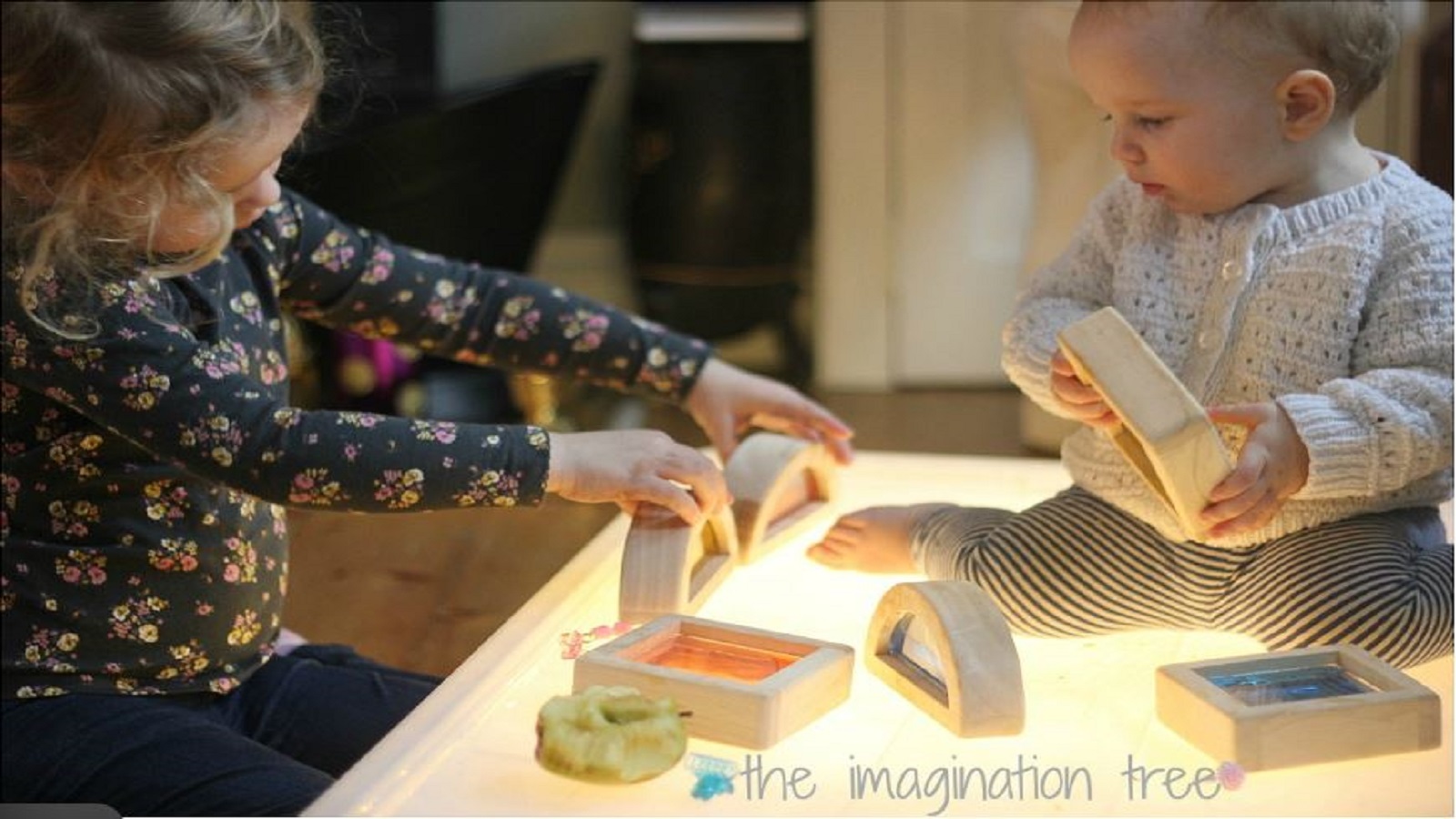
Where It All Begins
In many homes and schools, play is often guided by rules, instructions, and expected outcomes. Children are told how to play, what to build, and what the final result should look like. While structured play has its place, it is often unstructured, rule-free play that unlocks the deepest learning and creativity in early childhood.
When children are free to play without strict rules, they explore ideas, test possibilities, and express themselves in ways that structured activities rarely allow. This kind of play may look messy, unplanned, or even unproductive to adults, but beneath the surface, powerful learning is taking place.
This article explores why children learn more when play has no rules, how creative play shapes the developing brain, and how parents and caregivers can support creativity through simple everyday choices.
1. Understanding Creative Play
Creative play is play that is driven by the child rather than directed by adults. It does not rely on instructions, outcomes, or performance. Instead, it allows children to imagine, experiment, and create freely.
Creative play often includes:
- Pretend scenarios
- Open-ended use of toys or objects
- Imaginative storytelling
- Exploration without a fixed goal
In creative play, a cardboard box can become a car, a house, or a spaceship. A simple stick can turn into a wand, a spoon, or a microphone. The value lies not in the object, but in the imagination behind it.
2. Why Rule-Free Play Matters
Rules can guide behavior, but too many rules can limit thinking. When children are constantly told how to play, they focus on following instructions rather than exploring ideas.
Rule-free play encourages children to:
- Think independently
- Make decisions
- Take creative risks
- Learn from trial and error
Without rules, children feel free to test ideas without fear of being wrong. This freedom supports deeper learning and confidence.
3. How the Brain Responds to Creative Play
The developing brain thrives on novelty and exploration. Creative play activates multiple areas of the brain at once, strengthening connections related to imagination, problem-solving, and emotional regulation.
During creative play, children:
- Plan and adapt ideas
- Solve problems in real time
- Express emotions safely
- Practice flexible thinking
These processes support long-term cognitive growth and adaptability.
4. Creativity and Problem-Solving Skills
When play has no rules, children must figure things out on their own. They encounter challenges and find solutions without step-by-step guidance.
Examples include:
- Building unstable structures and adjusting them
- Creating new games when toys break
- Negotiating roles during pretend play
These experiences teach children how to think critically, persist through difficulty, and adapt when plans change.
5. Emotional Growth Through Free Play
Creative play is also an emotional outlet. Children often act out experiences, fears, and joys through imaginative play.
Through rule-free play, children can:
- Process emotions
- Practice empathy
- Build emotional awareness
For example, a child may use pretend play to explore feelings about new situations, relationships, or changes at home.
6. Social Learning Without Instructions
When children play freely with others, they learn social skills naturally. Without adult-imposed rules, children must communicate, cooperate, and resolve conflicts on their own.
Creative group play teaches:
- Turn-taking
- Negotiation
- Empathy
- Leadership
These skills develop organically when children are trusted to manage their interactions.
7. The Role of Boredom in Creativity
Boredom is often seen as something to avoid, but it can be a powerful catalyst for creativity. When children are bored, they are motivated to invent their own activities.
Boredom encourages:
- Imagination
- Initiative
- Independent thinking
Allowing children space to feel bored can lead to surprising bursts of creativity and problem-solving.
9. How Everyday Objects Inspire Creativity
Creative play does not require expensive toys. Everyday household items often inspire richer play than complex gadgets.
Examples of creative materials include:
- Boxes and containers
- Fabric and scarves
- Kitchen utensils
- Natural materials like stones or leaves
These open-ended objects invite imagination and experimentation.
9. Adult Roles in Creative Play
Adults play an important role in supporting creative play, but that role is not to control or direct.
Helpful adult behaviors include:
- Providing safe space and materials
- Observing without interrupting
- Encouraging ideas without judgment
- Allowing mess and mistakes
Sometimes, the best support is stepping back.
10. Avoiding Over-Structuring Playtime
Modern schedules often leave little room for free play. Activities are planned, timed, and supervised, leaving limited space for creativity.
Balancing structure with freedom helps children:
- Recharge mentally
- Explore personal interests
- Develop self-direction
Free play does not need to replace structured learning, but it should complement it.
11. Creativity and Long-Term Learning
Creative play lays the foundation for lifelong learning. Children who engage in imaginative play often develop:
- Strong problem-solving skills
- Curiosity and innovation
- Emotional resilience
- Confidence in their ideas
These traits support success not only in school, but in life.
12. Encouraging Creative Play at Home
Parents can support creative play by making small changes:
- Allow unplanned playtime
- Limit interruptions
- Offer simple, open-ended materials
- Celebrate creativity rather than outcomes
These choices create an environment where imagination thrives.
Closing Reflections
When play has no rules, children are free to explore, imagine, and learn in powerful ways. Creative play nurtures the mind, emotions, and social skills, building a strong foundation for future learning.
In a world that often values structure and results, it is important to remember that some of the most meaningful learning happens quietly, through play that has no instructions and no limits.
By allowing children the freedom to play creatively, we give them the space to grow into confident, curious, and capable thinkers.